
Spanish, verb
potenciar: to strengthen what is already there.
I’m Geoffrey Kirkman, founder of Potenciar Advisors. For thirty years I’ve worked on fundraising, philanthropy and public policy: at Harvard, at Brown, at the World Bank, and in more than sixty countries.
Hire Potenciar and you get me and the specialists we assemble around your particular problem. We help companies, universities and nonprofits find the funding and partners they need, and foundations and families decide where theirs should go.
The work usually starts with something from your ‘if we had time’ list: a problem that matters, and that no one in-house has the bandwidth or the experience to take on.
Selected work
Past and current work includes:
Planet Humana Fund. Galvanizing financial support for high-impact, direct humanitarian action in Ukraine. Planet Humana backs grassroots, largely volunteer frontline organizations delivering physical and psychological care to cities and villages under attack, with an eye to rebuilding a stable, independent, democratic European partner.
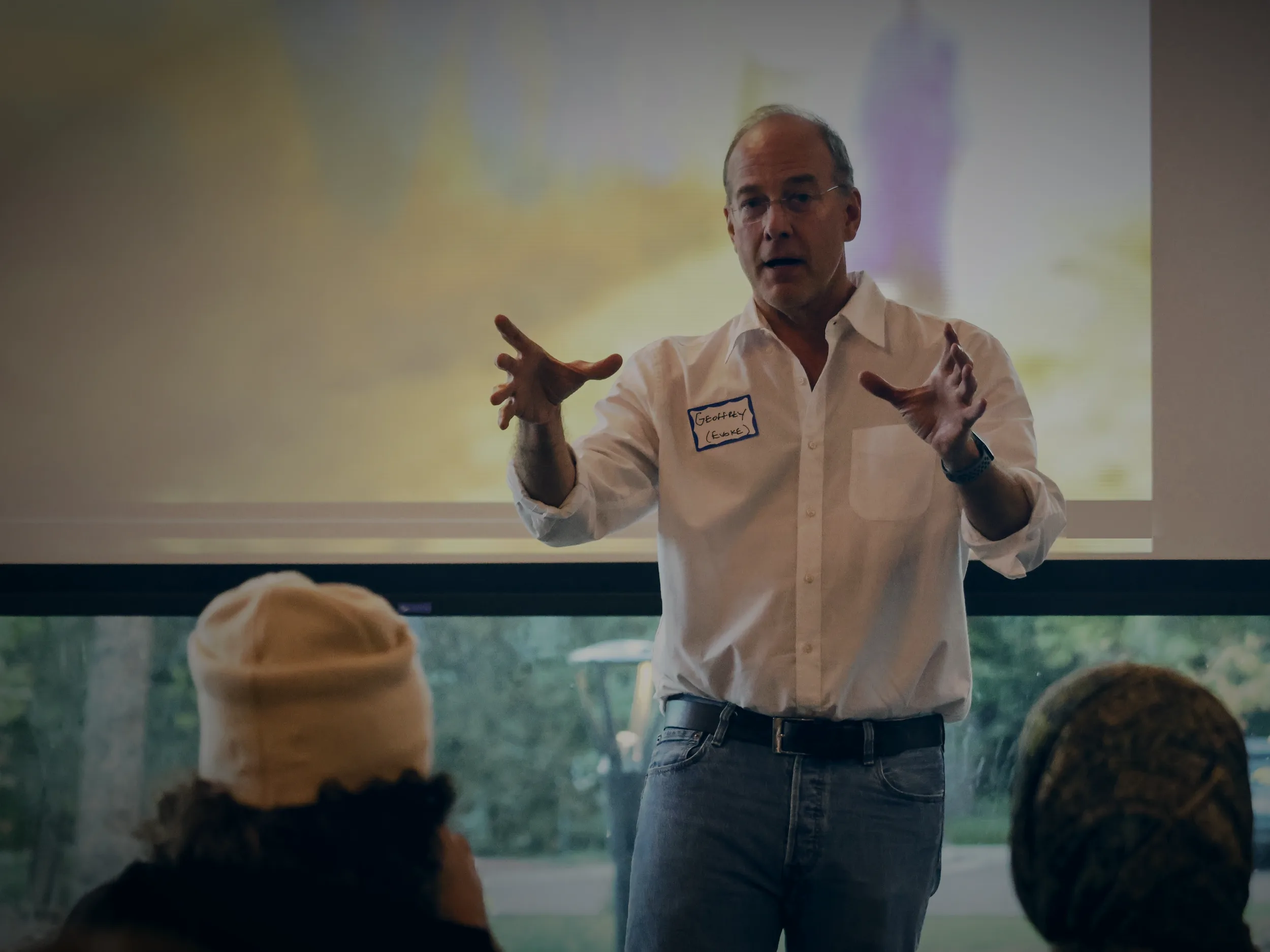
The EVOKE Network. A World Bank spinoff, born there in 2010 and now an independent nonprofit with a Board chaired by the Bank. It uses AI and Impact Challenges to equip young people across more than ten countries to turn learning into real-world projects. Fifteen years of R&D and two randomized controlled trials have gone into it. I’m helping take it to scale, and overseeing implementation in Boulder, Colorado and elsewhere.
The Savings Collaborative. Extending a financial resiliency program into New England and Latin America. It pairs AI and a multilingual app with coaching from experts, helping families save and reach their financial goals.
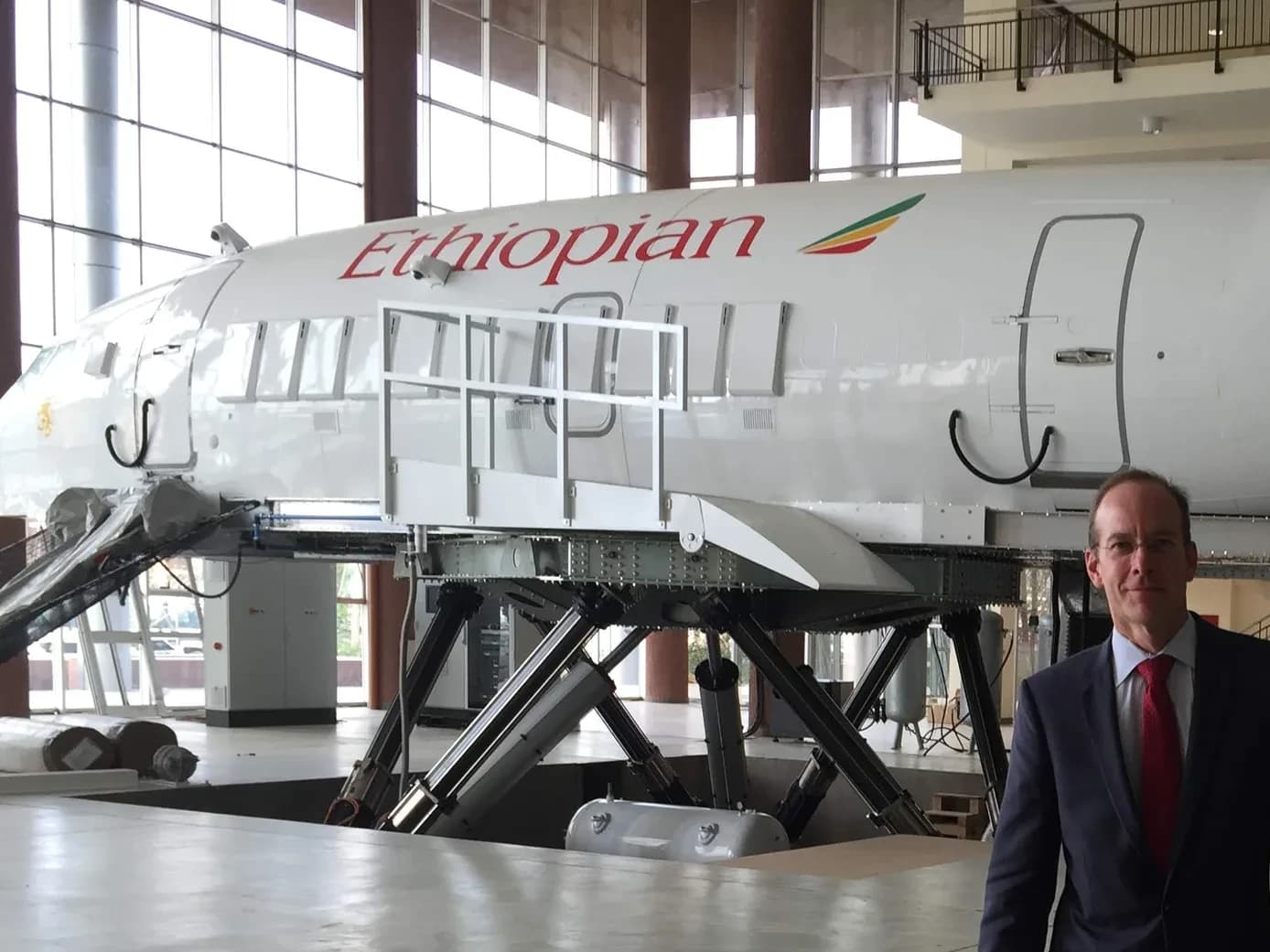
The World Bank, Latin America and Africa. Social impact investment strategy and innovation-ecosystem design across two regions. Most recently in Zimbabwe and Colombia.
Hyundai Motor Company. A new corporate social responsibility strategy, built on a benchmark of CSR and sustainability practice across the US auto industry.
University presidents and rectors in the US, Europe, Latin America and Africa, along with their leadership teams. Fundraising and internationalization strategies: formulated, then implemented rather than handed over.
Families with significant philanthropic assets. Generational transfer of giving objectives, metrics to gauge impact, and grantee selection.
Human rights, maternal and neonatal health, regional economic development. Fundraising and partnership strategy for non-academic organizations working in each.

What we do
Cross-sector strategy
For an organization whose problem needs a partner it doesn’t have yet: a company that needs a university, a government ministry that needs a foundation. We do the research, the benchmarking and the cross-sector consultation. I make the introductions that occur to no one beforehand and seem completely obvious afterwards.
Fundraising strategy
For an institution that needs to raise more than it ever has, or from places it never has. We build the case for support, the prospect strategy and the operating plan, and stay while it’s implemented. I lead the work personally, alongside a chief executive, a senior leadership team or a board of directors.
Philanthropy and family giving
For families and foundations deciding what to fund and how they’ll know it worked. We work through the generational handoff of giving objectives, the impact metrics and the grantee selection, frequently across two countries and two languages.
Speaking and convening
For a gathering that needs someone equally at home across sectors and in two languages. I give the keynote, sit on the panel, or run the closed-door convening of people who do not usually meet.
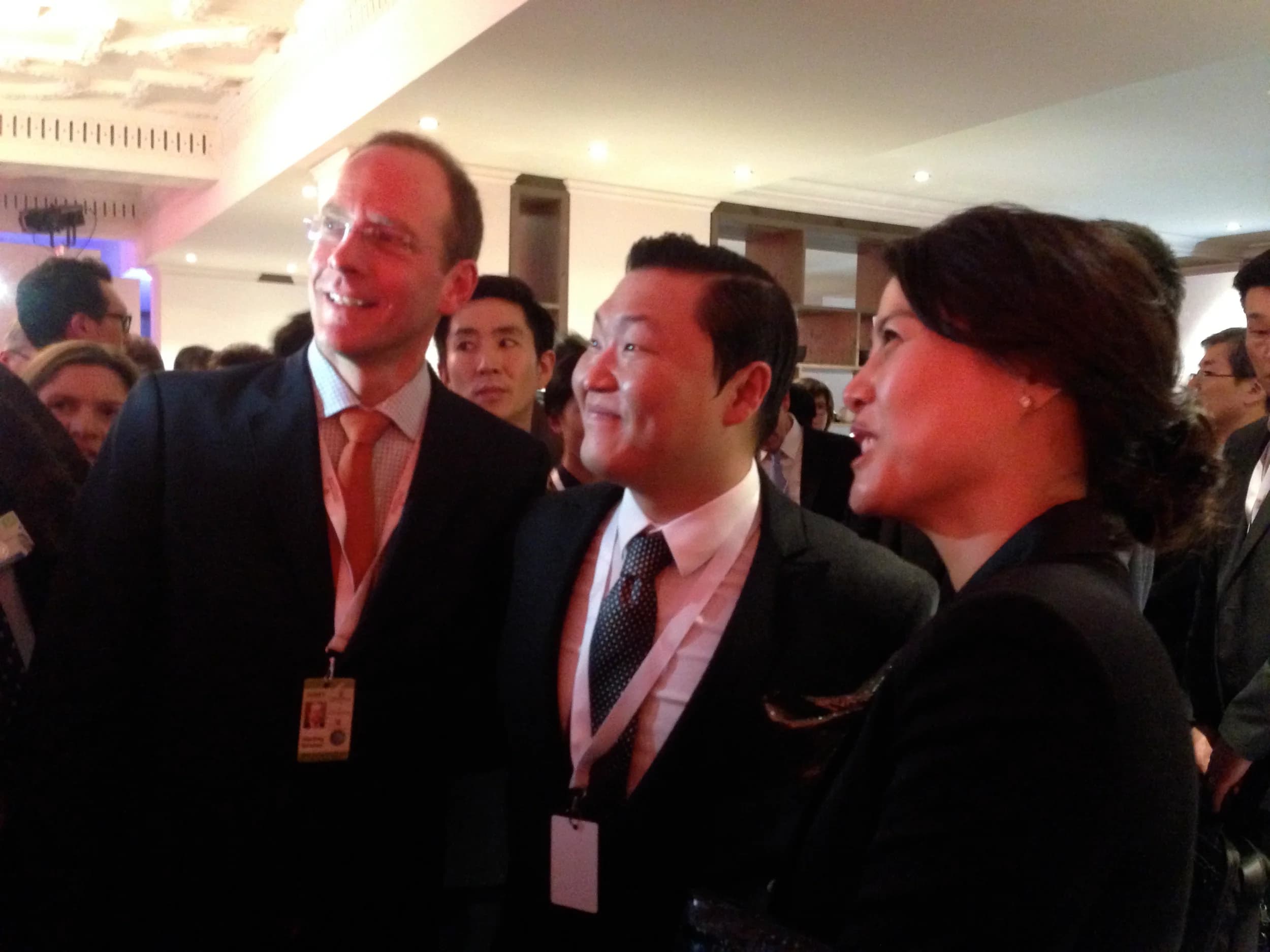
Increasingly this work is AI-enabled. Two current engagements pair artificial intelligence with multilingual delivery and human coaching, reaching young people across more than ten countries and families across two continents. Information and communication technology has been part of my policy work for thirty years; what has changed is that the tools are even more powerful, and accessible to all. At the same time, AI has to be tempered by real human involvement. Nothing has more impact than an in-person meeting, or an analysis written by a person rather than a machine.
Working in Spanish
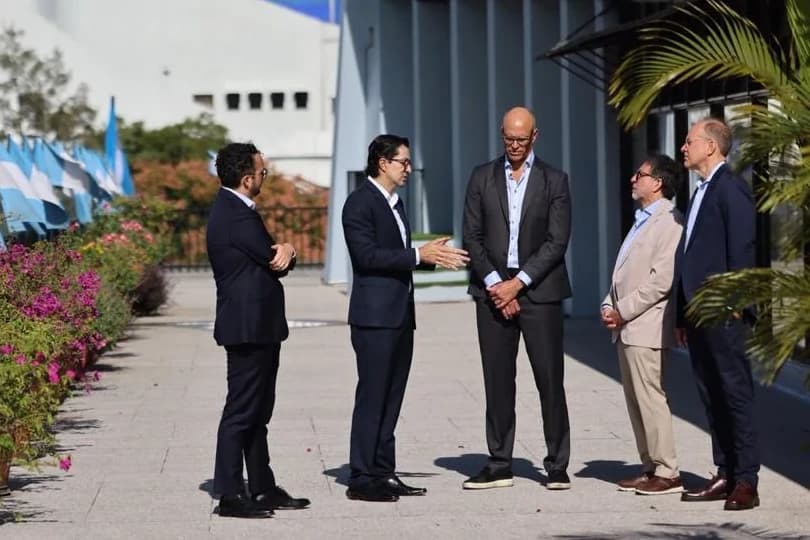
About half of this work happens in Spanish. The interviews, the board presentation, the negotiation with a government ministry: all of it in the language the decision is actually being made in.
That shortens the path to action. Nothing waits on a translation, nothing gets lost in the handoff, and ideas are discussed normally and in real time. That is where the creative option usually comes from, and the first thing to go when a process slows down.
How we work
Every engagement runs the same way.
Research and interviews.
Benchmarking against institutions solving the same problem somewhere else.
Cross-sector consultation.
Impact analysis.
You end up with a strategy that is specific enough to act on.
Thirty years inside institutions that are very good at this (Harvard, Brown, the World Bank) taught me the value of both collaboration and competition. I think the private and nonprofit sectors could be far more creative about leading on big public problems than they currently are. Most of what we take on is aimed at that.
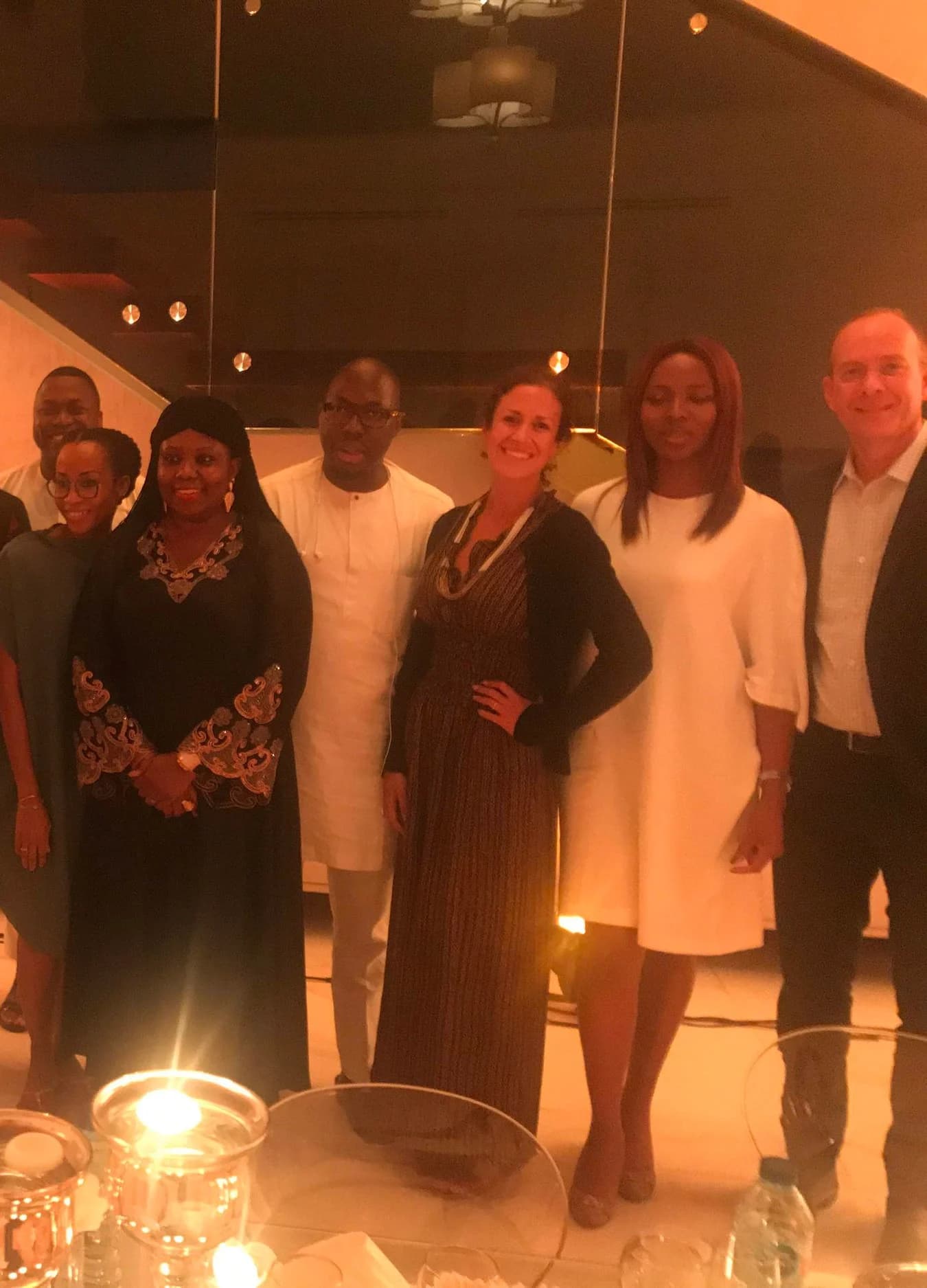
Potenciar is deliberately designed as a hub and spoke network that taps into experts all over the world. I lead every engagement myself (no client is handed to a junior team) and I bring in complementary expertise for whatever the problem actually demands: regional specialists, sector researchers, economists, people who know an institution from the inside. I’m also in two other potent networks:
- Group of Humans
- A global collective of about a hundred senior creatives and problem solvers, drawn from BAFTA to NASA, where I serve as a Strategy and Policy Partner.
- Partnership for the Americas
- A non-partisan organization working to accelerate investment, regional integration and job creation across the western hemisphere, where I am Managing Director.
So you get the people your project actually needs, and only for as long as you need them. You are not paying to keep a firm’s staff busy.
Why I do this
I’ve worked as a fundraiser, a consultant, an author, a documentary producer and an academic researcher. Each of those jobs is about getting people to care about something they had not thought about.
I taught social entrepreneurship at Brown for seven years. I learned that teaching is a mix of stand-up comedy, improvisation, thinking on your feet, and being challenged by smart, energetic people. It prepared me for almost any other kind of interaction.
I am drawn to work that is international, to people trying to make something better, and to ideas and initiatives that have the potential to be transformative. Much of the world operates in a gray area between the public, private, nonprofit and philanthropic sectors, and that intersection is where I work.
About
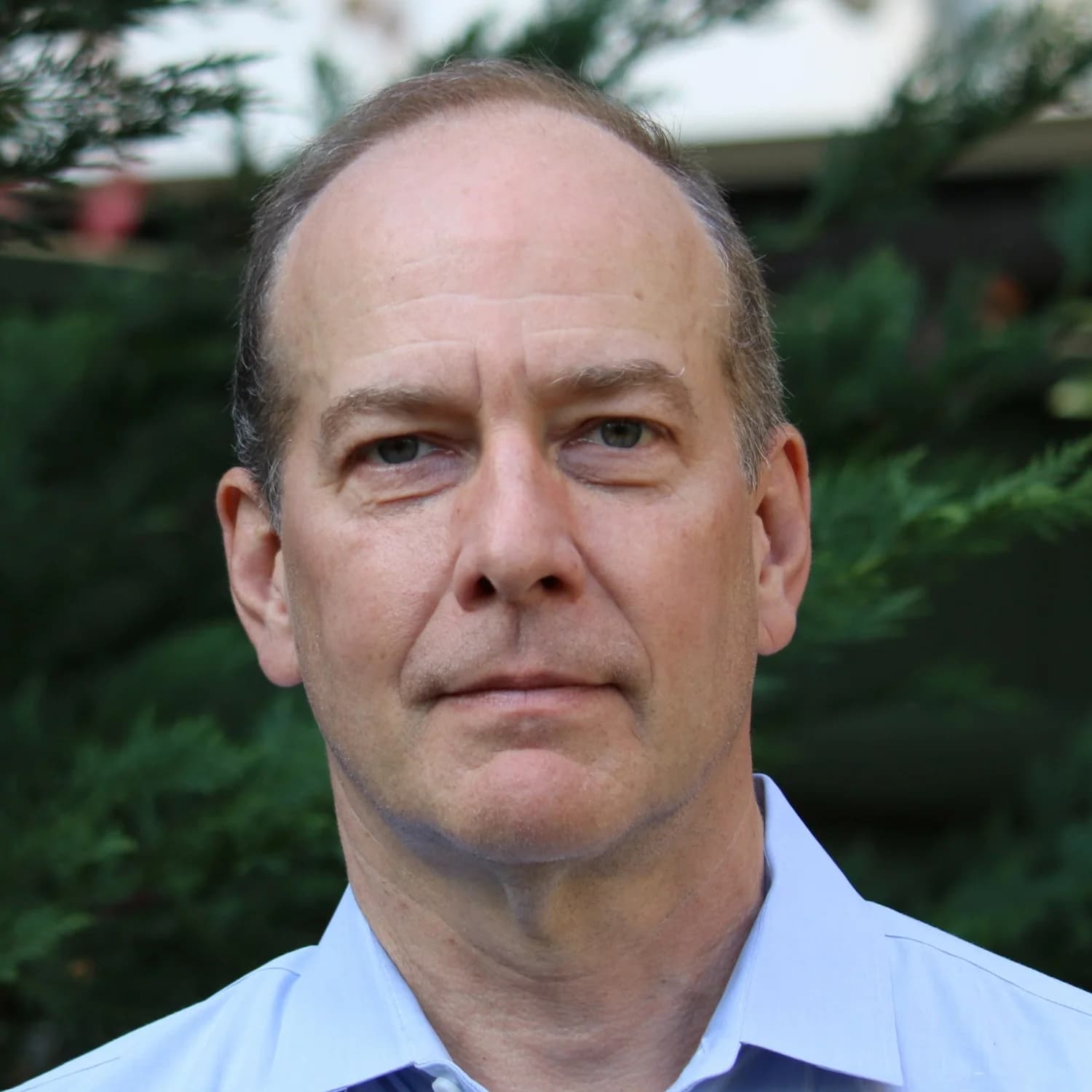
Geoffrey Kirkman is the founder of Potenciar Advisors, an advisory practice working on fundraising strategy, philanthropy and cross-sector partnerships in English and Spanish. He is a graduate of Harvard and Brown, and spent twenty-five years working at both, the last ten leading international fundraising. Over the course of his career he has helped raise more than $100 million. He taught social entrepreneurship at Brown University for seven years as a Lecturer.
Kirkman’s policy work has covered climate change, information and communication technology, infrastructure, sport and entrepreneurship, across more than sixty countries. He co-created the Networked Readiness Index at Harvard’s Center for International Development and the World Economic Forum. He is also Managing Director of Partnership for the Americas and a Strategy and Policy Partner at Group of Humans.
He works globally and is based in Providence, Rhode Island, USA.